Lake Manyara National Park may be smaller than some of Tanzania’s famous safari destinations, but it offers an incredible variety of landscapes and wildlife within a compact area. From lush groundwater forests and open grasslands to the sparkling alkaline lake that gives the park its name, every section reveals a different side of Tanzania’s natural beauty. Known for its remarkable birdlife, diverse habitats, and famous tree-climbing lions, Lake Manyara delivers a rewarding safari experience for nature lovers and photographers alike.
Situated at the base of the Great Rift Valley Escarpment along Tanzania’s Northern Safari Circuit, conveniently located between Arusha, Ngorongoro, and Serengeti.
Size
Approximately 330 square kilometres, with Lake Manyara covering a significant portion of the park's protected area.
Tree-Climbing Lions
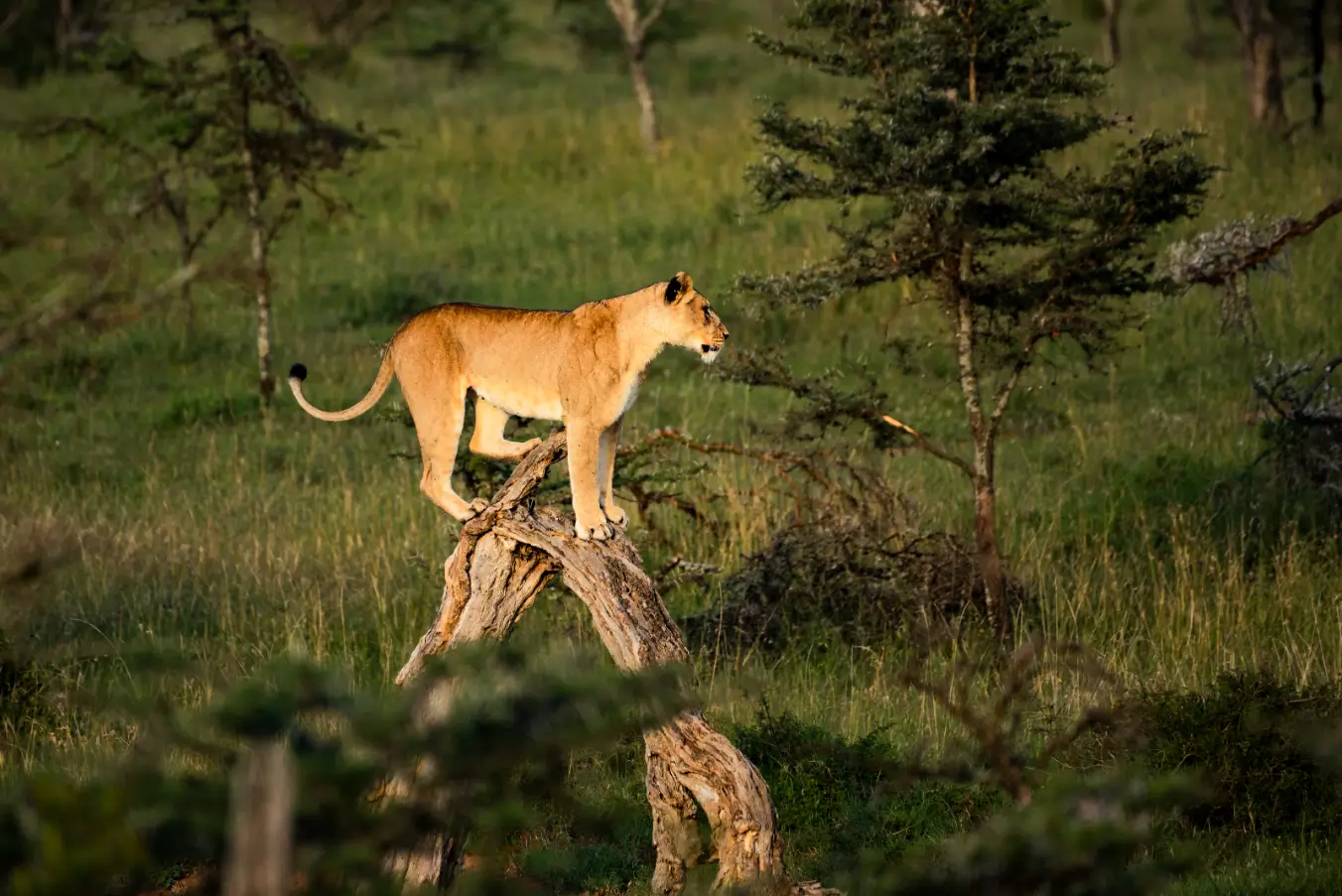
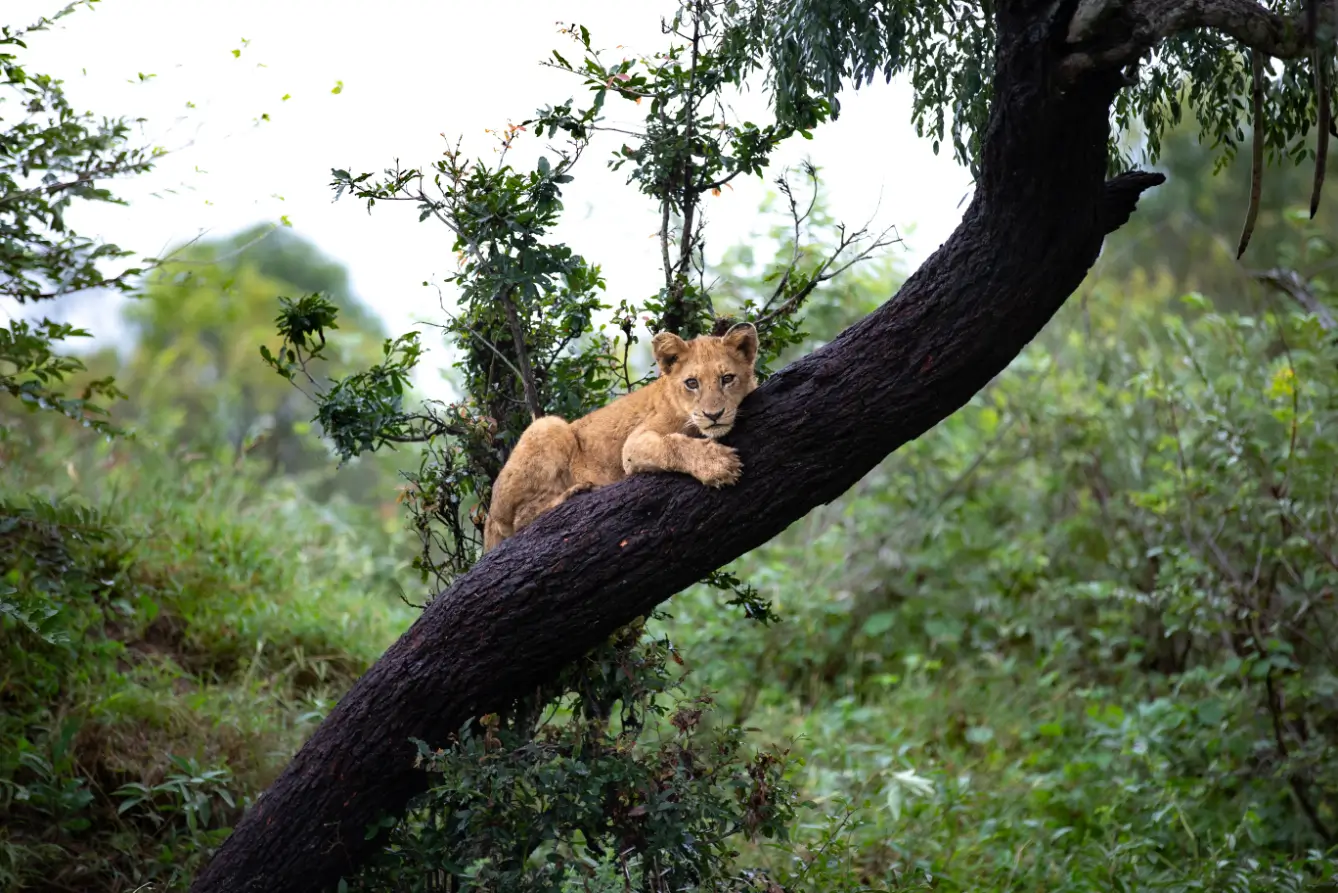
Lake Manyara is internationally known for its unusual population of tree-climbing lions. Unlike most lions that remain on the ground, these remarkable predators are often seen resting on tree branches, creating one of the park’s most sought-after wildlife sightings.
Lake Manyara
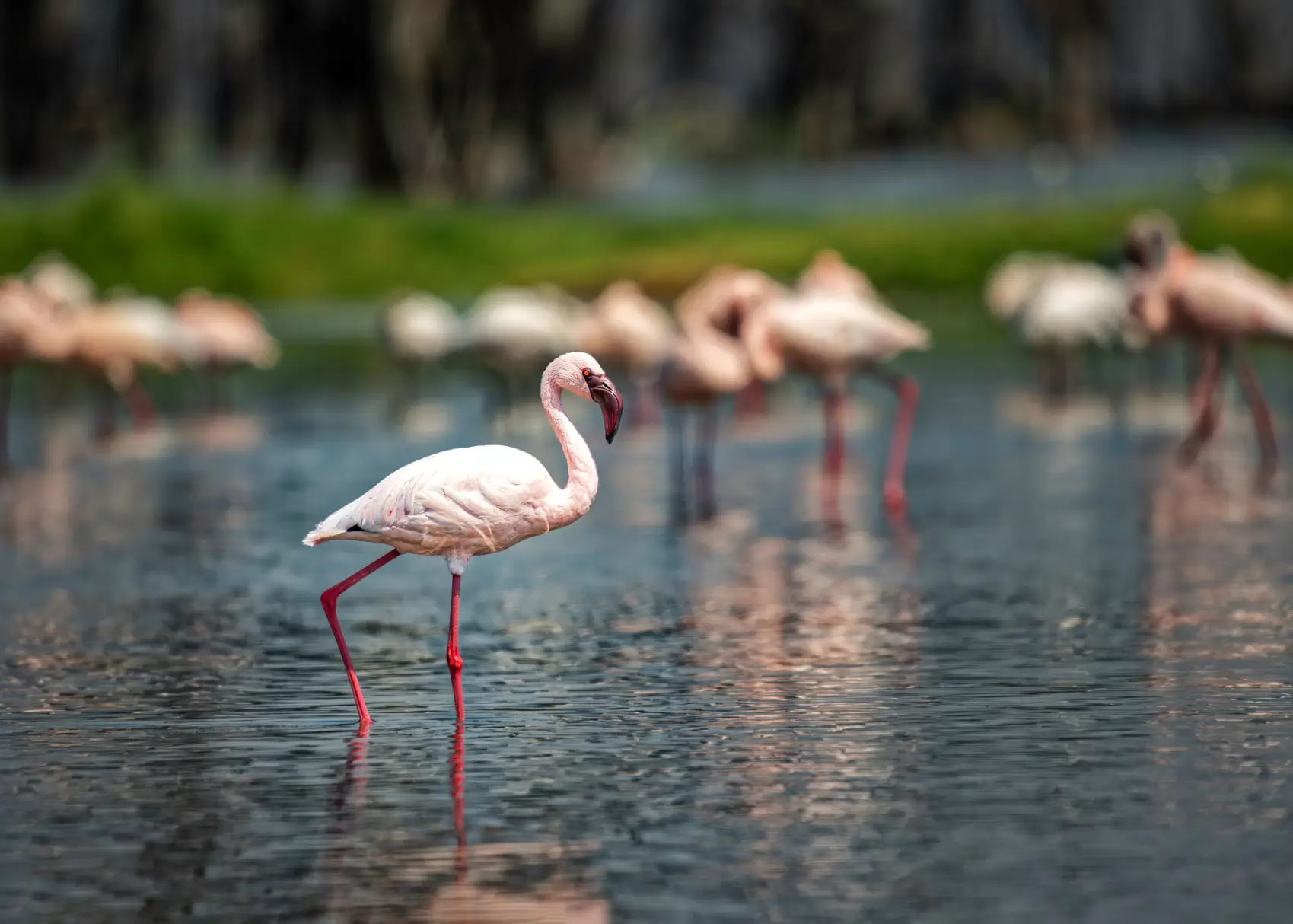
The lake forms the centerpiece of the park and attracts countless bird species throughout the year. Depending on seasonal conditions, visitors may witness large gatherings of flamingos, pelicans, storks, and other waterbirds that create spectacular scenes along the shoreline.
Great Rift Valley Scenery
Towering cliffs of the Rift Valley Escarpment provide a dramatic backdrop to the park. The combination of forested landscapes, open plains, and shimmering lake views creates some of the most picturesque scenery in Tanzania.
Activities
Birdwatching
Canoe Safaris
Game Drives
Cultural Experiences
Atmosphere & Experience
Lake Manyara offers a refreshing safari experience characterized by lush vegetation, beautiful scenery, and remarkable biodiversity. The park provides a peaceful contrast to Tanzania’s vast open plains while still offering excellent wildlife viewing opportunities.
Its combination of birdlife, forests, lakeshore habitats, and unique wildlife behaviors makes it an excellent destination for both first-time visitors and experienced safari travelers. Whether enjoyed as a day excursion or as part of a longer Northern Circuit adventure, Lake Manyara leaves a lasting impression.
Ideal for travelers interested in photography, birdwatching, scenic landscapes, and unique wildlife encounters. It serves as an excellent introduction to Tanzania’s northern safari destinations before continuing to Ngorongoro and Serengeti.